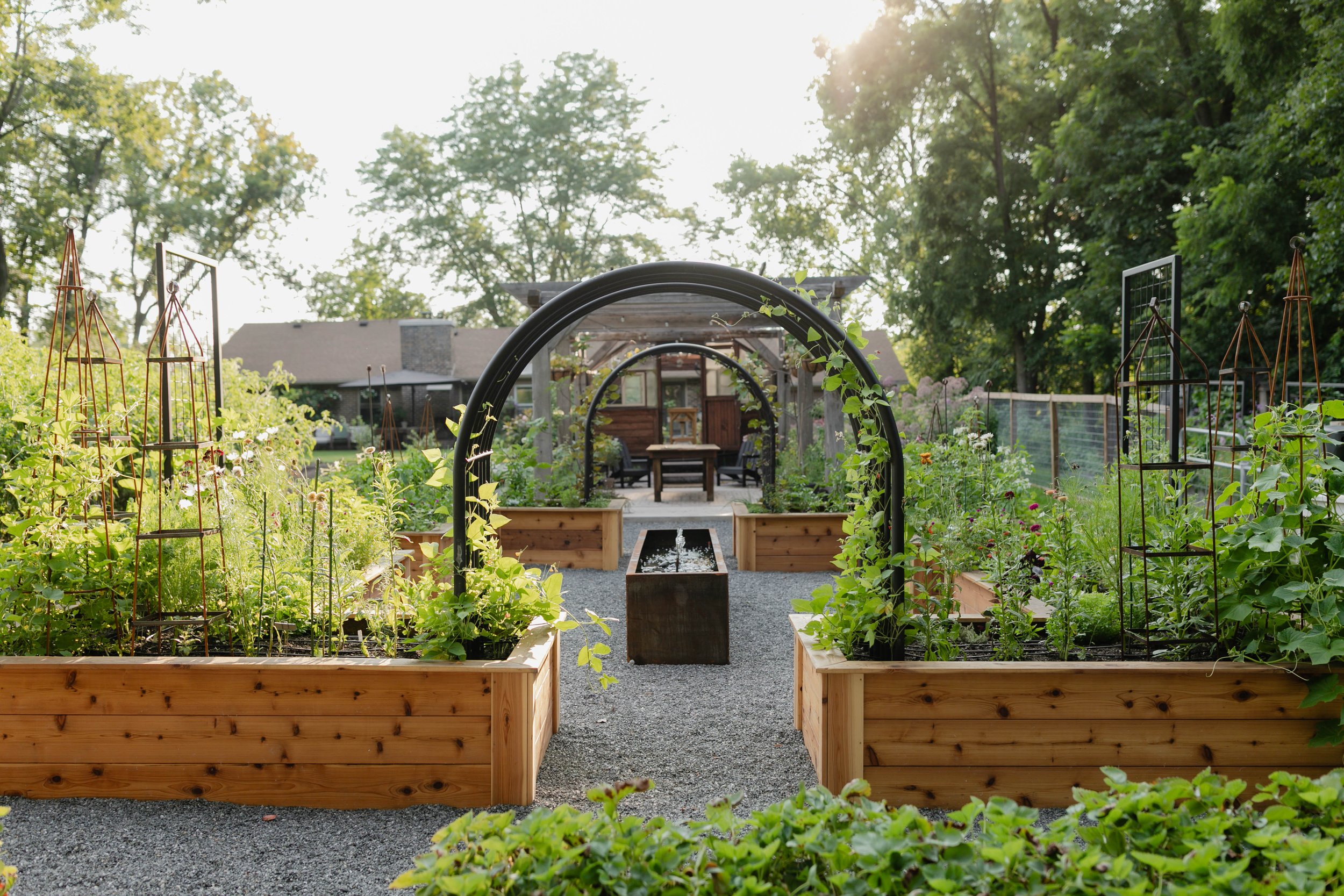
The Best Salad Greens to Grow in Your Kitchen Garden
If you want to grow your own food but don’t know where to begin, start with salad greens.
Salad greens are easy, fast-growing, and incredibly rewarding, especially when you can walk outside and harvest lunch straight from your backyard or patio pot.
Whether you’re a first-time gardener or looking for an easy way to add more nutrients to your meals, these three greens are the backbone of my garden-to-table lifestyle.
They’re reliable, nutritious, and surprisingly versatile. And once you taste homegrown greens, those soggy, store-bought clamshells will never compare.
The Best Greens to Grow
Every Day Salad Greens
Versatile, abundant, easy to grow
Lettuce deserves its own category because it offers so much variety in both flavor and function in the garden. From loose leaf to full heads, it gives you flexibility in how you harvest and how you use it in the kitchen.
Leaf Lettuce
Leaf lettuce is one of the easiest and most forgiving options, especially for beginners. It grows quickly and can be harvested at a smaller size using a cut-and-come-again method, which is especially helpful in the heat of summer when larger leaves can turn bitter. Harvesting young keeps the flavor mild and tender. Another tip is to plant a mix of varieties, combining different shades of green, red, and purple, as those deeper colors contain higher levels of antioxidants and offer a broader range of nutrients.
Butterhead + Buttercrunch
Butterhead and buttercrunch lettuces form soft, tender heads with a delicate texture that feels a bit more elevated for salads and plating. Having both a spring variety and a more heat-tolerant variety in your seed collection will help you bridge that gap as temperatures shift, and then resume growing again in the fall when conditions are ideal.
Romaine
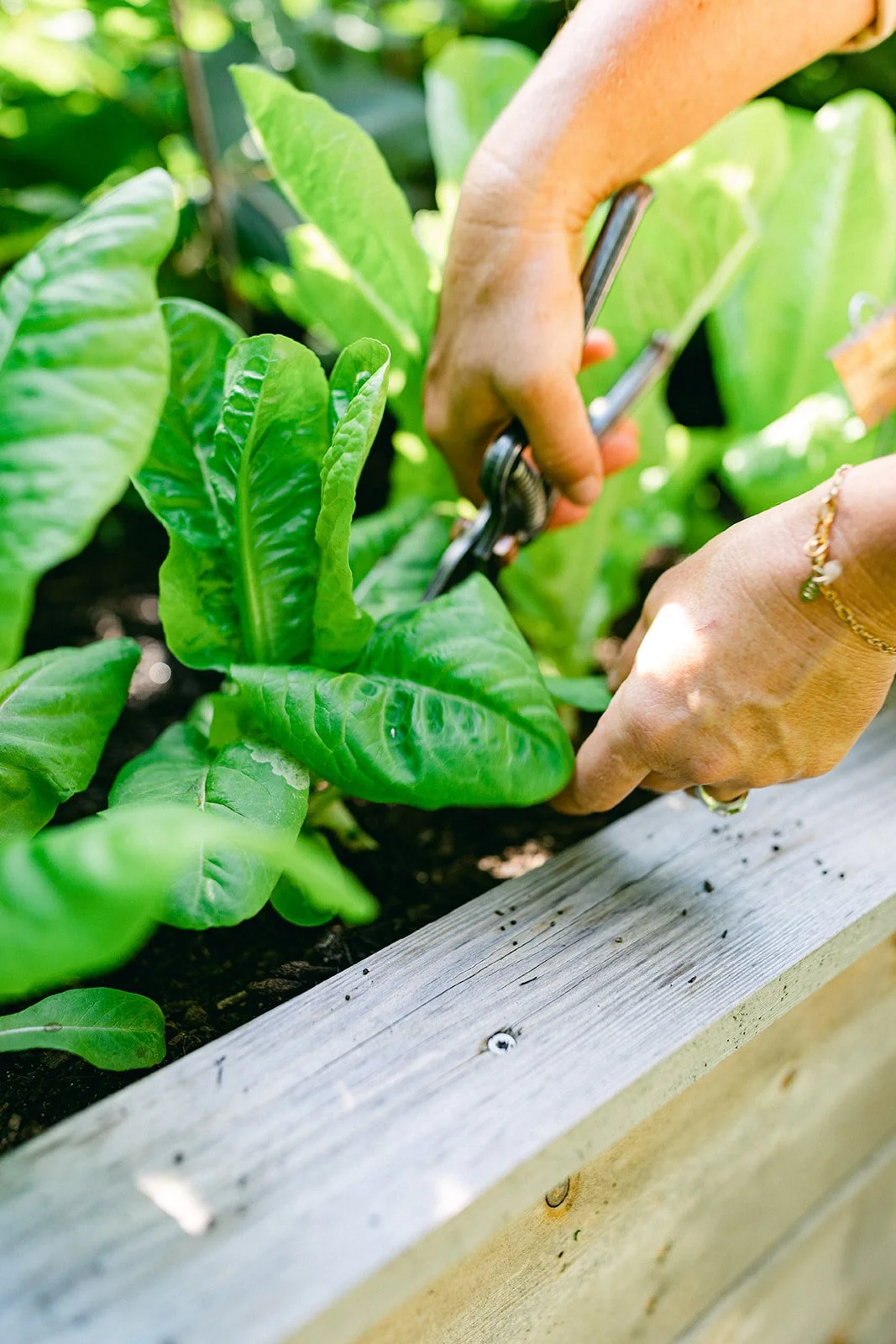
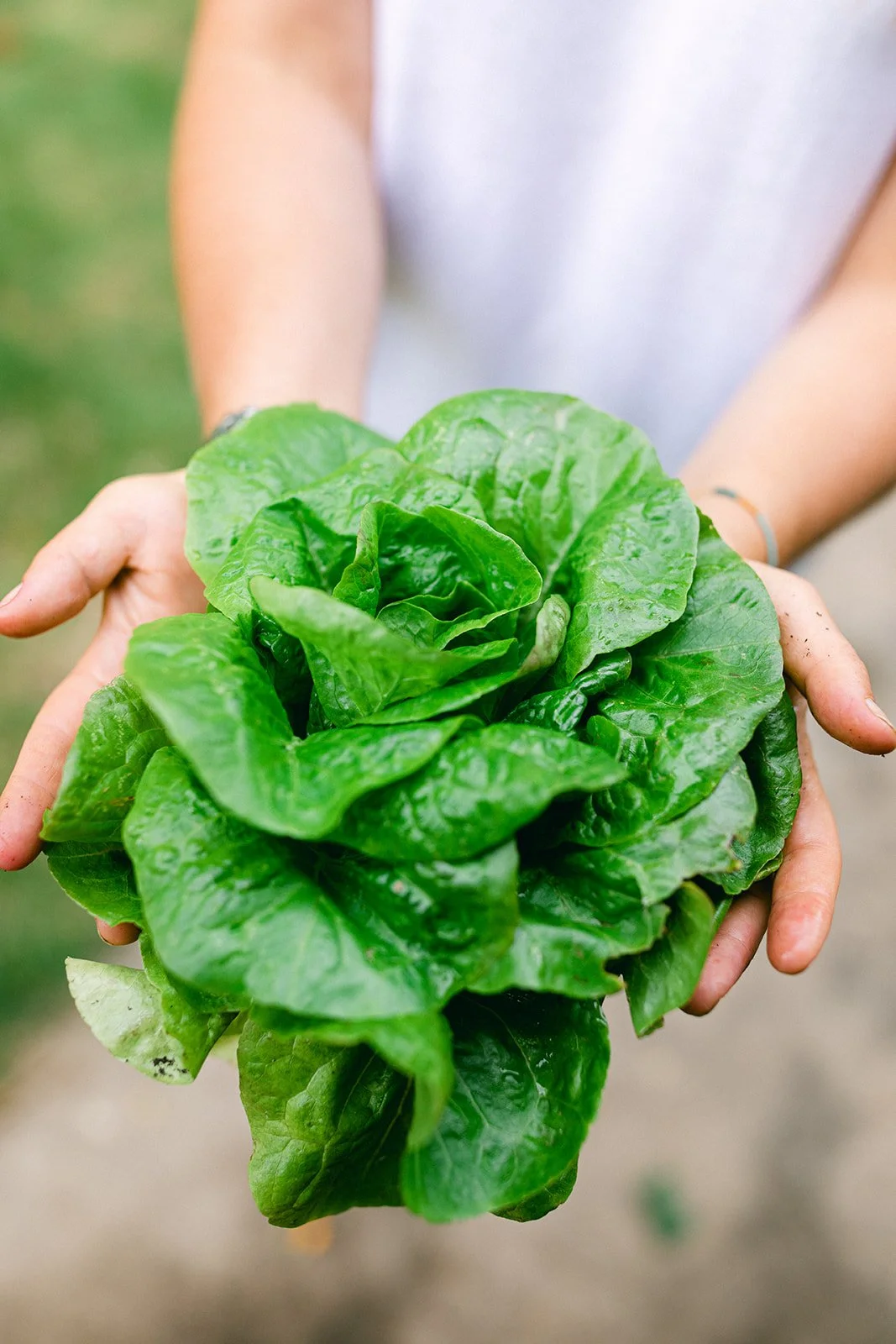
Romaine lettuce brings that perfect crisp texture to salads, lettuce wraps, and sandwiches. It holds up well to hearty toppings and bold dressings, which makes it one of the most versatile greens in the garden.
Because romaine grows upright rather than sprawling outward, it’s also a great choice for raised beds and smaller kitchen garden spaces.
Katie’s tip: You don’t need to wait for a full head to harvest. Begin picking the outer leaves when they reach about six inches tall. This “cut-and-come-again” method allows the plant to continue producing while you harvest what you need for each meal. A small pair of garden nippers makes this quick and easy (link).
And if you’ve never tried grilled romaine, it’s worth experimenting with. Matt and I once took a cooking class in Maine that focused entirely on cooking over fire, and grilled romaine quickly became one of our favorite ways to use it. A quick char on the grill brings out a smoky sweetness that completely transforms the flavor. Just brush the cut halves with olive oil, place them on a hot grill for a minute or two, and finish with a flaky salt, lemon, and parmesan, or a simple dressing.
Spinach
Spinach is one of the most productive and forgiving greens you can grow. It thrives in cooler temps, which means you can plant it in early spring, again in the fall, or even in a cold frame for winter harvests.
Packed with iron, folate, and vitamins A and C, spinach works beautifully in salads, smoothies, sautés, and soups.
Katie’s tip: Harvest baby leaves early and often for the most tender flavor. Succession plant every two to three weeks to keep fresh leaves coming throughout the season.
And when summer heat arrives, switch to Malabar spinach, a heat-loving vine that thrives when traditional spinach struggles.
Arugula
Arugula might be my personal favorite salad green. It grows incredibly fast, thrives in cool weather, and delivers a bold, peppery flavor that elevates even the simplest salad.
In fact, arugula can be ready to harvest just three weeks after planting, making it one of the quickest rewards in the garden.
Use it in salads, layer it onto sandwiches, or scatter fresh leaves over pizza just before serving. That bright, peppery bite instantly wakes up a dish.
Hearty Greens
Reliable, nutrient-dense, cold-hardy
Kale
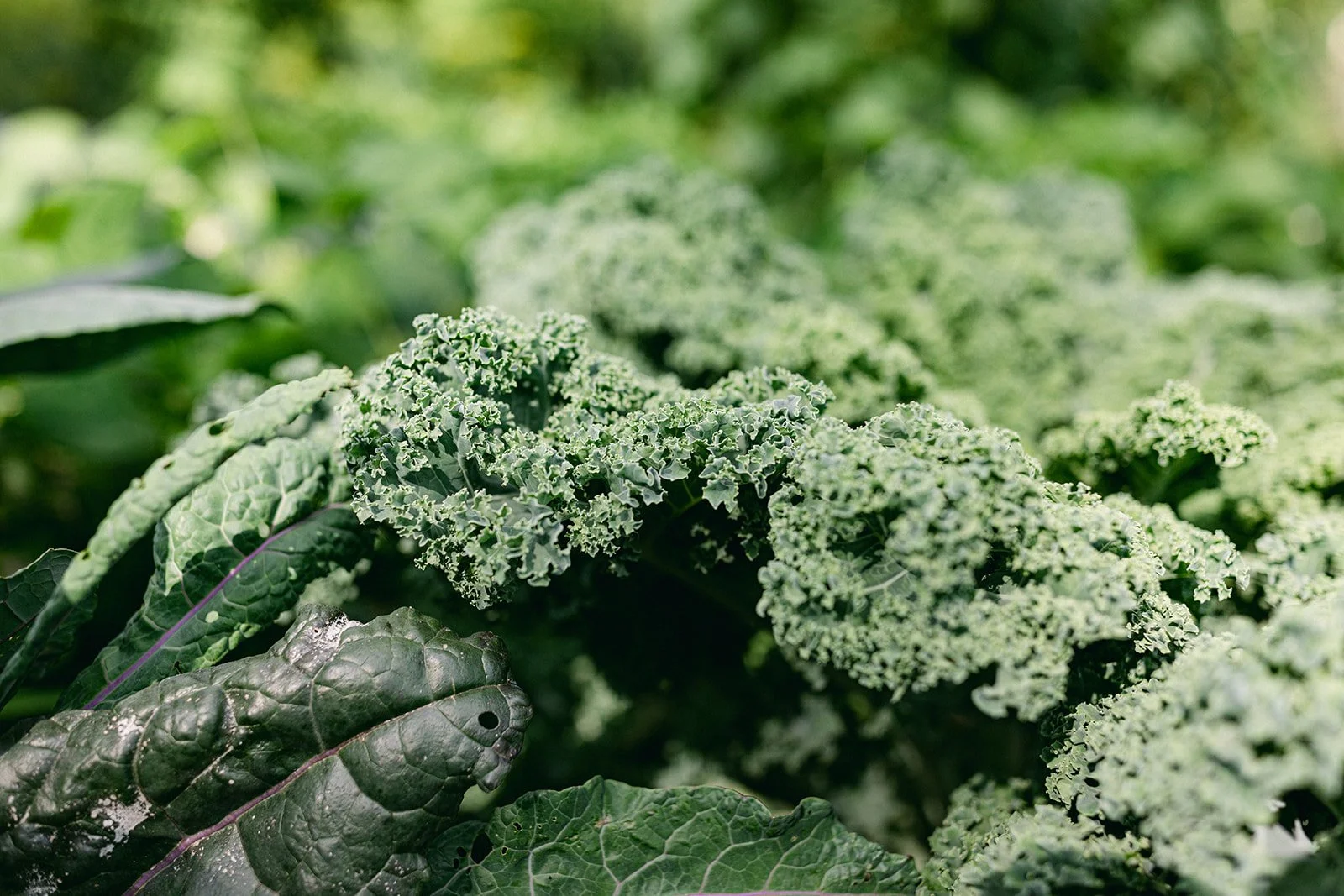
Kale is one of those crops that just keeps giving throughout the season. My go-to varieties are dinosaur (lacinato) and curly kale. Both are easy to grow and have a more approachable flavor, especially if you are newer to eating kale. Dinosaur kale tends to be a bit more tender and slightly sweeter, while curly kale adds great texture.
The biggest advantage is how long it produces. Just one or two plants can supply you with consistent harvests all summer long. You simply take the lower leaves as needed and allow the plant to continue growing upward.
The main thing to watch for is the cabbage worm, so keep an eye out early and stay ahead of it. If managed early, kale is otherwise one of the lowest maintenance and most rewarding greens you can grow.
Bok Choy
Bok choy is an excellent addition if you want to expand beyond traditional salad greens while still keeping things simple and productive.
It thrives in cooler temperatures, making it a great option for both spring and fall plantings. Like many greens, it can bolt in the heat, so those shoulder seasons are really the prime time for bok choy.
You can harvest bok choy young for tender, mild leaves or allow it to mature into full heads for stir-fries and sautés. Its crisp stems and soft leaves make it incredibly versatile in the kitchen.
Katie’s tip: Succession plant every couple of weeks in spring and again in late summer to keep a steady, manageable harvest without everything maturing at once. I love baby bok choy!
Swiss Chard
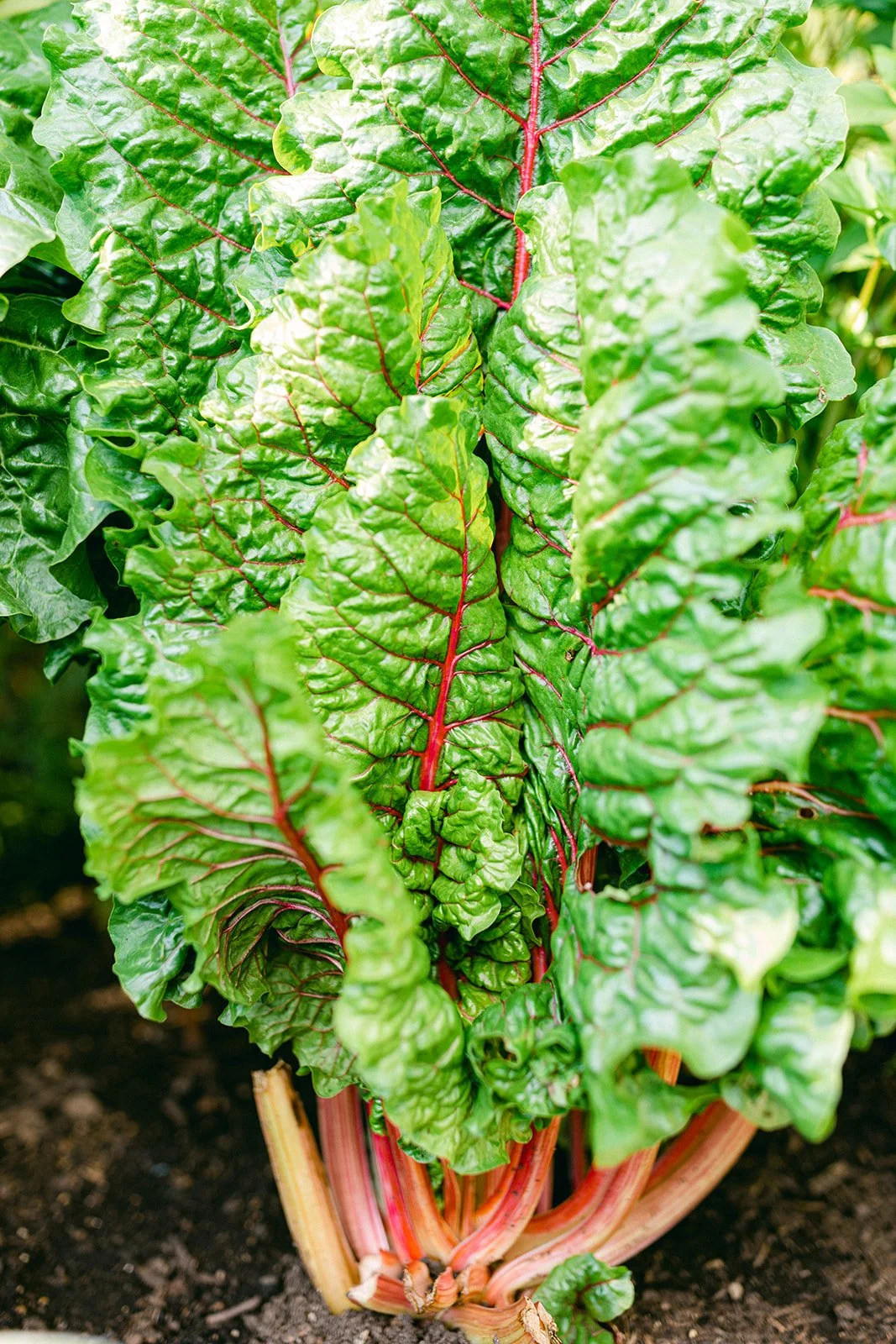
Swiss chard is one of the most visually striking greens you can grow. Its vibrant stems, ranging from bright pinks to reds and yellows, add an instant pop of color to the garden, making it just as much a design element as it is a food source.
It’s also incredibly resilient, thriving through the heat of summer and continuing to produce much like kale. The baby leaves are tender enough for salads, while the mature leaves are perfect for sautéing or throwing into soups. If you’re looking for a green that offers both beauty and steady harvests, Swiss chard is an easy addition to any kitchen garden.
Why Salad Greens Belong in Every Kitchen Garden
One of the biggest transformations clients experience after installing a kitchen garden is how naturally fresh food becomes part of daily life.
When greens are growing just steps from your kitchen, it becomes second nature to walk outside, clip a handful of leaves, and build a meal around what’s in season.
A simple bowl of salad starts to feel less like a side dish and more like the centerpiece of the table.
And that shift, from buying produce to harvesting it, is one of the most rewarding parts of growing your own food.
Ready to Grow Your Own Salad?
There’s something deeply satisfying about harvesting crisp romaine or peppery arugula just minutes before you sit down to eat.
These greens form the foundation of a fresh, homegrown, garden-to-table meal. Once you experience that flavor and freshness, it’s hard to go back.
Want more in-depth information on how to grow salad greens?
Download my free Herbs + Greens Growing Guide here
YOU MIGHT ALSO LIKE…